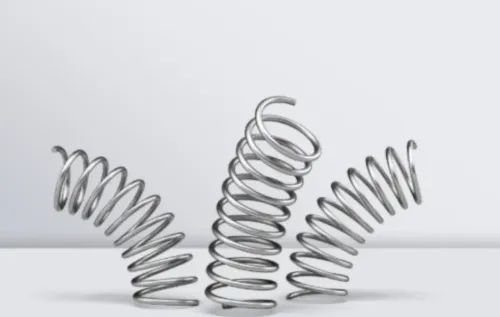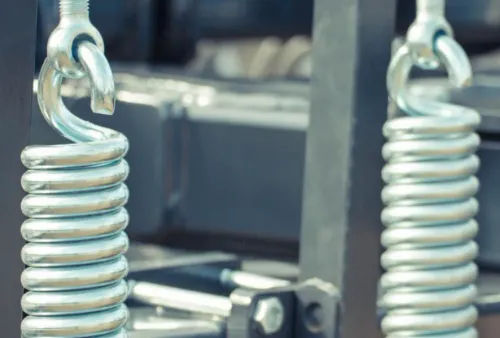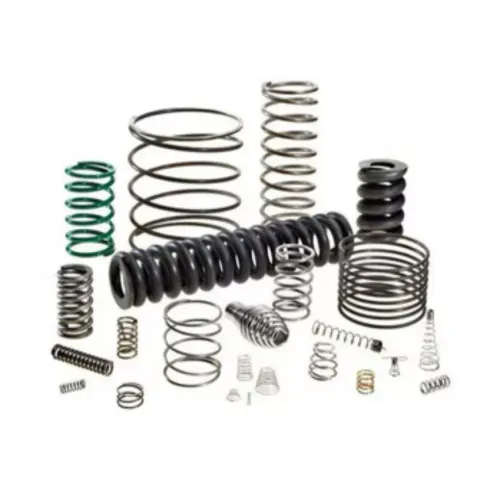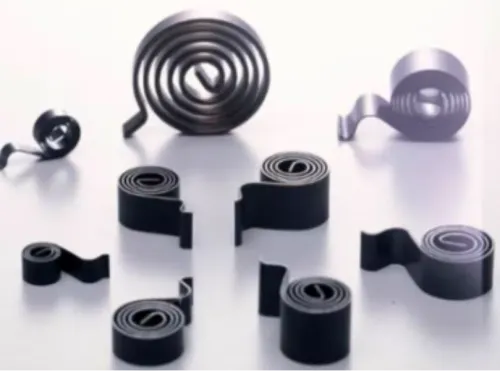


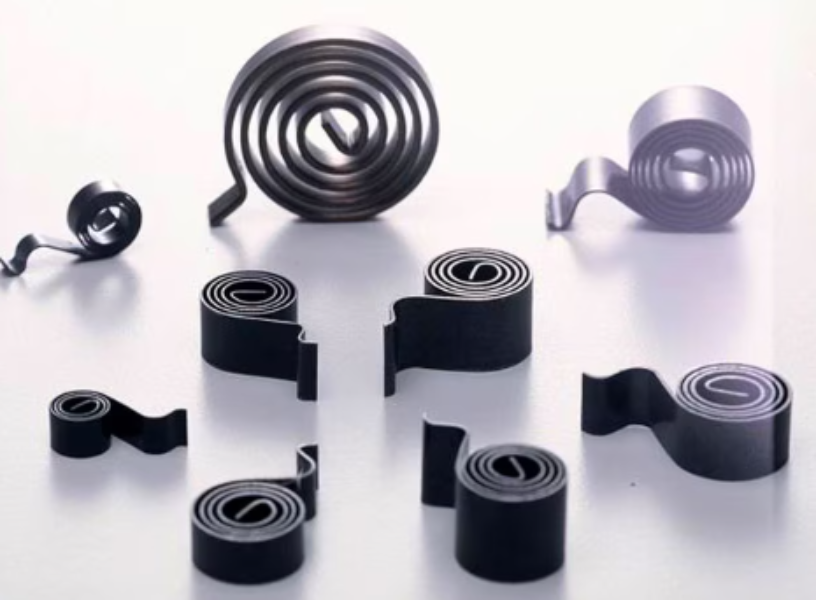
Torsion springs are essential mechanical components that generate rotational force. Unlike compression or extension springs, these springs work by twisting around their axis, making them ideal for applications requiring controlled torque and rotational movement. Choosing a dependable Torsion Spring Manufacturer is important for industries where precision, durability, and consistent performance directly influence machine reliability.
Industrial manufacturers in Rajkot and across Gujarat use torsion springs in a wide variety of equipment, from automotive assemblies to textile machinery. Understanding their design and applications helps procurement teams select the right spring for long-term performance.
What Is a Torsion Spring?
A torsion spring stores mechanical energy when twisted. As torque is applied, the spring resists the twisting force and returns to its original position once the load is removed.
Depending on the application, torsion springs can be manufactured in different sizes, wire diameters, leg configurations, and materials. Every specification affects how the spring performs under repeated rotational movement.
Common Applications Across Industries
Torsion springs are widely used in industrial and commercial equipment, including:
- Textile machinery
- Automotive components
- Agricultural equipment
- Industrial doors
- Hinges
- Electrical switches
- Medical devices
- Material handling systems
- Manufacturing equipment
- Packaging machinery
Each application requires carefully engineered spring characteristics to ensure smooth operation and dependable performance.
Why Precision Matters
Even a small variation in spring dimensions or torque capacity can affect the efficiency of an entire machine. A precision-manufactured torsion spring helps maintain consistent motion while reducing unnecessary wear on connected components.
Quality manufacturing also minimizes the risk of:
- Mechanical failure
- Irregular movement
- Increased maintenance
- Premature spring fatigue
- Production downtime
For industries operating multiple shifts, reliability is often more valuable than simply choosing the lowest-cost component.
Factors to Consider Before Selecting a Torsion Spring
Choosing the right torsion spring requires evaluating several technical aspects.
Important considerations include:
- Required torque
- Wire diameter
- Coil diameter
- Number of coils
- Leg length and angle
- Direction of winding
- Operating environment
- Material type
Providing accurate engineering drawings or application details allows manufacturers to recommend suitable spring specifications.
Material Selection Influences Performance
Different industries require springs that can withstand varying operating conditions.
Common material options include:
- Stainless steel for corrosion resistance
- High-carbon spring steel for general engineering
- Alloy steel for demanding industrial environments
The correct material improves fatigue resistance and extends the working life of the spring.
Benefits of Custom-Manufactured Torsion Springs
Many industrial machines use unique mechanisms that require customized springs rather than standard catalog products.
Custom torsion springs offer advantages such as:
- Better fit within machinery
- Improved torque performance
- Longer operating life
- Reduced installation issues
- Higher production efficiency
This flexibility is especially valuable for manufacturers producing specialized equipment.
Quality Assurance Throughout Production
Reliable manufacturers follow stringent quality checks to ensure every torsion spring meets design specifications.
Testing may include:
- Dimensional inspection
- Torque testing
- Material verification
- Heat treatment validation
- Visual inspection
- Batch consistency checks
Consistent quality control helps prevent costly production interruptions later.
Advantages of Working with a Local Manufacturer
Industrial businesses in Rajkot often benefit from sourcing torsion springs locally.
Some practical advantages include:
- Faster communication
- Quicker sampling
- Reduced transportation time
- Easier design modifications
- Improved delivery reliability
- Better technical support
These factors contribute to a more responsive supply chain for manufacturing operations.
Choosing a Reliable Manufacturing Partner
Selecting a torsion spring supplier involves more than comparing prices. Buyers should assess engineering capabilities, manufacturing capacity, customization options, quality standards, and delivery performance.
Companies across Rajkot and Gujarat frequently look for manufacturers capable of producing precision springs for diverse industrial requirements. R B Spring Industries is among the manufacturers serving businesses with custom-engineered torsion spring solutions designed for dependable industrial performance. Working with an experienced supplier helps improve equipment efficiency while supporting long-term production reliability.