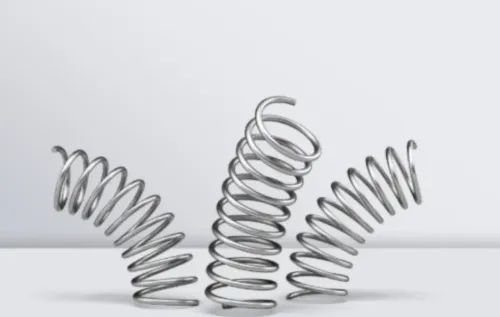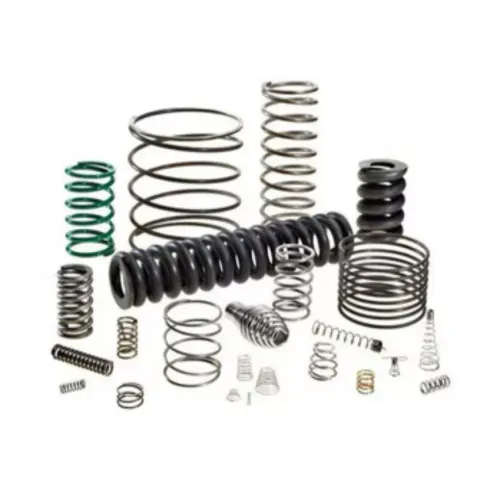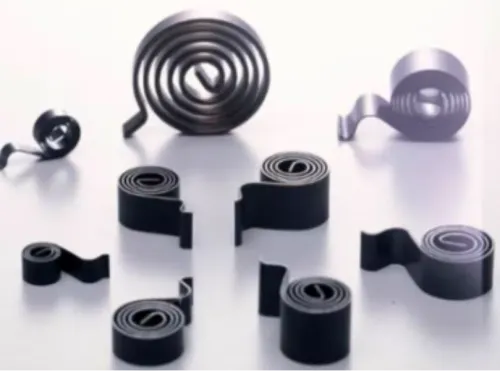


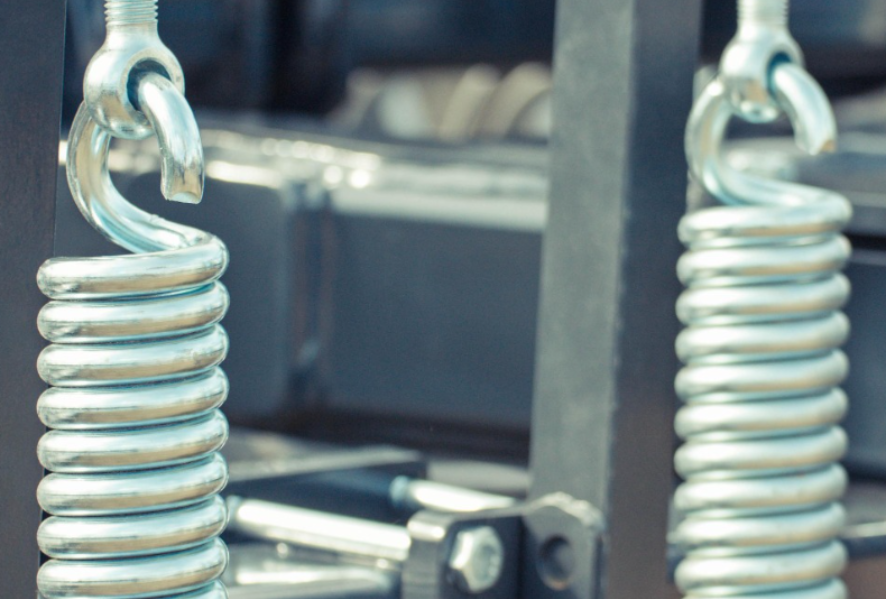
A Machine Spring may look like a relatively simple component, yet its performance can directly affect movement, force control, positioning, vibration response, plus equipment reliability.
Industrial machines depend on springs for many functions. Some maintain pressure. Some return moving components to their initial position. Others absorb mechanical energy, support clamping action, maintain contact, plus compensate for movement.
For engineering businesses in Rajkot, Gujarat, selecting the correct spring starts with understanding what the machine actually expects the component to do.
Begin With the Spring Function
Before discussing dimensions, identify the purpose of the spring.
Ask practical questions
- Does it need to compress?
- Does it provide rotational force?
- Does it maintain pressure?
- Does it return a component?
- Does it absorb shock?
- Does it operate continuously?
- Does it function only during occasional machine cycles?
The answers help determine the appropriate spring configuration.
Choosing from dimensions alone can result in a component that physically fits but performs poorly.
Understand Working Load
Load is one of the most important parameters.
Engineers should distinguish between the load present during normal operation plus the maximum load that may occur.
If a spring is consistently operated too close to its mechanical limits, fatigue life may decline.
At the opposite extreme, selecting an unnecessarily stiff spring can affect movement, increase stress on surrounding components, plus change machine behaviour.
The spring should therefore be matched to the actual force requirement.
Measure Available Space
Machine design often imposes strict dimensional limits.
Important measurements can include
- Hole diameter
- Shaft diameter
- Maximum spring outside diameter
- Minimum required inside diameter
- Available free length
- Compressed length
- Total working travel
Allowing suitable clearance can help prevent rubbing, interference, plus misalignment.
Consider Cycle Frequency
A spring operating a few times per day experiences very different service conditions from one cycling thousands of times during production.
High-cycle applications require careful attention to stress levels, material properties, manufacturing consistency, plus installation.
Procurement teams should tell the manufacturer about expected cycle frequency rather than treating all machine springs as equivalent replacement items.
Check Operating Conditions
Industrial environments can expose springs to
- Heat
- Moisture
- Dust
- Lubricants
- Chemicals
- Vibration
- Impact
- Outdoor conditions
These factors may influence material selection plus surface protection.
A spring suitable for a clean indoor mechanism may not be ideal for equipment exposed to moisture, corrosive substances, potentially elevated temperatures.
Common Causes of Early Failure
When machine springs repeatedly fail, replacing them with identical parts may not solve the underlying issue.
Possible causes include
- Excessive compression
- Incorrect load
- Misalignment
- Poor seating
- Wrong dimensions
- Material mismatch
- Unexpected vibration
- Excessive operating temperature
- Mechanical interference
- Installation damage
Inspect the spring plus surrounding components before ordering repeated replacements.
Why Samples Need Careful Evaluation
Maintenance teams often send an existing spring as a sample.
This can be useful, but used springs may have experienced permanent deformation. Free length may have changed. Coil geometry may no longer represent the original design.
Where available, provide both the sample plus equipment drawing.
For older machinery without drawings, clearly describe the installed condition plus required movement.
Supporting Rajkot’s Manufacturing Base
Rajkot is home to manufacturers serving machine tools, automotive components, engineering equipment, fabrication, foundry operations, agricultural machinery, plus other industrial segments.
Reliable replacement components can play an important role in keeping such equipment productive.
R B Spring Industries supports industrial spring requirements in Rajkot. Buyers can improve the specification process by sharing technical details rather than asking only for a spring based on appearance.
A correctly selected machine spring should fit the assembly, deliver the required force, move within a safe working range, plus remain suitable for the operating environment. Treating these four requirements as connected design factors helps reduce avoidable replacement problems while supporting more predictable equipment performance.