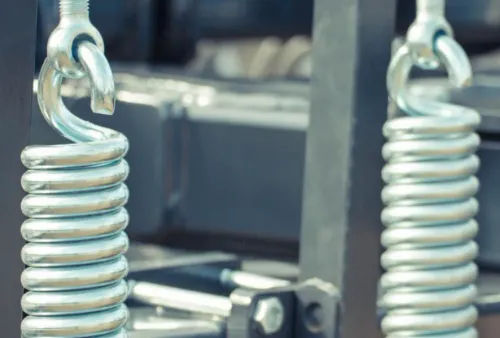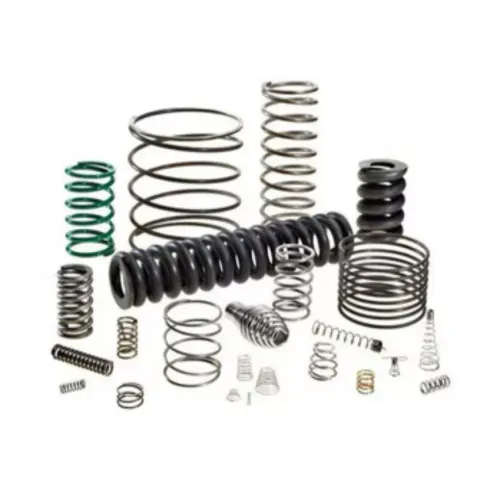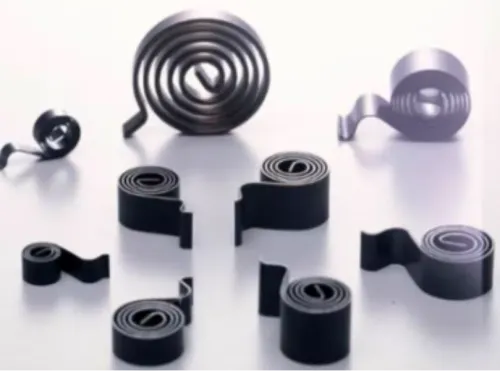


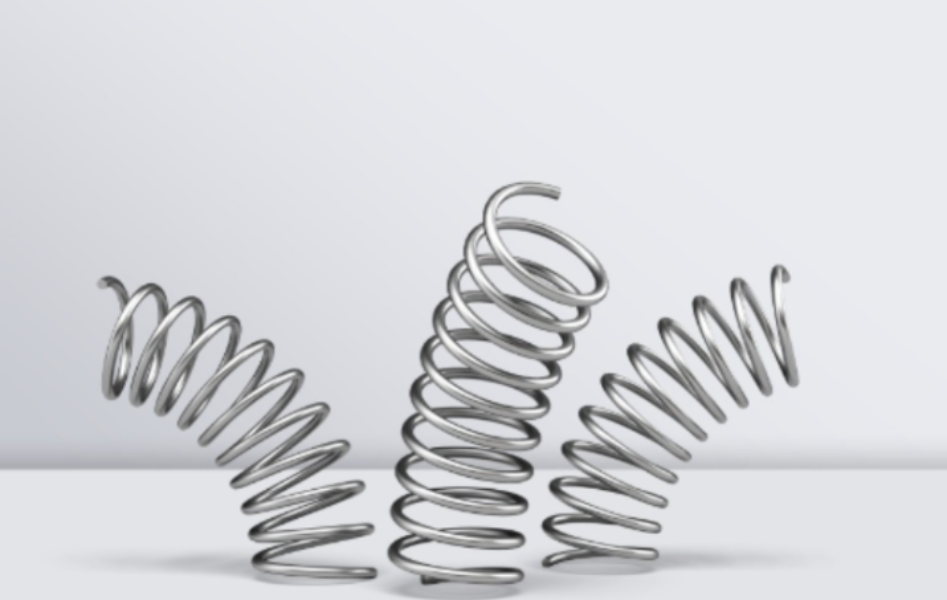
A Press Spring plays an important role in presses, dies, fixtures, stamping equipment, plus tooling systems. It may provide return force, maintain pressure, control component movement, support stripping action, plus help reset parts after a production cycle.
Because press operations can involve repeated loads, spring performance deserves careful attention.
For tool rooms, press shops, engineering companies, plus component manufacturers in Rajkot, Gujarat, correct spring selection can contribute to more stable tooling performance.
Why Press Applications Are Demanding
Press equipment frequently operates through repeated mechanical cycles.
Each cycle compresses the spring before releasing it. Over time, this repeated stress can influence spring life.
Operating conditions become more demanding when equipment involves
- High production frequency
- Significant compression
- Elevated loads
- Limited installation space
- Heat generation
- Misalignment
- Impact loading
A spring that works during initial testing may still perform poorly during continuous production if its design does not match these conditions.
Spring Travel Matters
One common mistake is focusing on spring force without reviewing travel.
Every compression spring has limits concerning how far it should be compressed during regular operation.
Excessive travel can increase stress while reducing service life.
Tool designers should define
- Free length
- Installed length
- Working length
- Maximum compressed length
These values make it easier to evaluate whether the spring operates within an appropriate range.
Load Consistency Supports Process Stability
Press tooling often depends on predictable movement.
If springs lose force unevenly, tooling behaviour may become inconsistent. This can influence stripping, return action, component positioning, potentially cycle reliability.
When several springs operate together, dimensional consistency becomes particularly important.
Springs used within the same tool should ideally provide predictable characteristics so that loading remains balanced.
Check Alignment
A compression spring works best when force is applied along its intended axis.
Poor alignment can cause sideways bending, rubbing, uneven stress, plus premature damage.
Guides, pockets, shafts, plus seating surfaces should therefore be inspected during tooling maintenance.
If a spring repeatedly bends during operation, simply replacing it may not correct the problem.
Heat Can Change Working Conditions
Press tools can generate heat during continuous production.
Depending on the process, this heat may influence surrounding components.
When springs operate in elevated temperatures, material selection should account for the actual environment.
Tool designers should communicate expected temperature conditions to the spring manufacturer where heat exposure is significant.
Warning Signs During Maintenance
Maintenance professionals should inspect press springs for
- Reduced free length
- Visible cracking
- Surface damage
- Distorted coils
- Uneven compression
- Corrosion
- Loss of return force
- Contact marks caused by misalignment
Replacing damaged springs before complete failure can help reduce unexpected tooling interruptions.
Replacement Should Be Specification-Based
Copying a heavily used spring without checking its original dimensions can create errors.
Long-term compression may cause permanent set. Wear can affect surface condition. Damage may hide the original geometry.
Whenever possible, use engineering drawings, machine documentation, plus known load requirements alongside physical samples.
Industrial Relevance in Rajkot
Rajkot’s manufacturing sector includes tool rooms, press shops, automotive component producers, fabrication units, machine manufacturers, plus precision engineering businesses.
These companies often depend on repeatable tooling cycles where small mechanical components have a meaningful operational role.
R B Spring Industries supplies spring solutions for industrial applications in Rajkot. A productive discussion with a spring manufacturer should include load, dimensions, travel, cycle rate, installation arrangement, plus operating conditions.
Press spring performance ultimately depends on the complete system. Suitable spring design, correct installation, controlled compression, plus regular inspection can help manufacturers maintain reliable press movement while reducing avoidable component failures.